



Most office managers focus on the obvious benefits when choosing water systems: convenience, cost, and keeping staff hydrated. Smart priorities. But there’s a hidden impact that often goes unnoticed such as skin issues that could be workplace-related.
The connection isn’t a coincidence – it’s chemistry. The water flowing through your pipes carries more than just H2O, and what’s dissolved in that water plays a role in skin health.
From the hardness minerals that create invisible films to the chlorine designed to keep water safe, but potentially disrupting your skin’s natural barriers.
What Exactly Flows Through Your Pipes?
Understanding your water supply is the first step to protecting your team’s skin health. Not all water is created equal, and the differences matter more than you might think.
Hard water contains high levels of calcium and magnesium minerals. About 60% of the UK water supply falls into this category, particularly in the South and East regions.
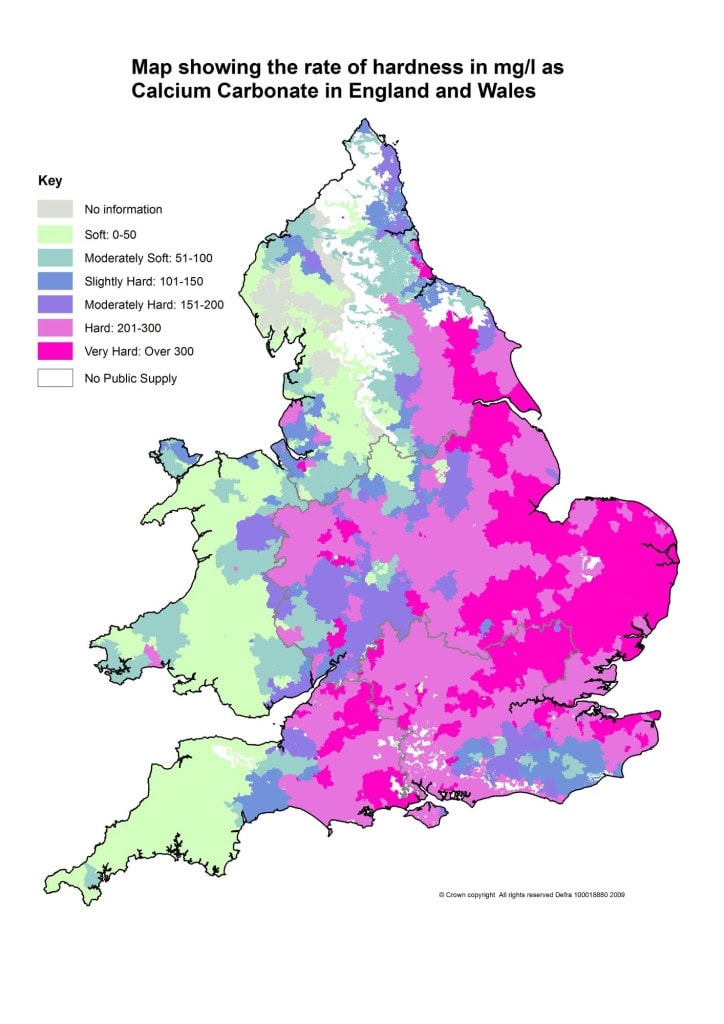
Source: Drinking Water Inspectorate (DWI)
Soft water has these minerals removed through treatment processes.
Chlorinated tap water is standard across most supplies, where chlorine eliminates harmful bacteria but doesn’t discriminate when it comes to your skin’s protective barriers.
Then there’s filtered water, which removes many problematic elements, and mineral water with naturally occurring beneficial compounds.
Here’s where it gets interesting for your skin barrier: those tight-junction proteins holding your skin cells together are surprisingly sensitive to what’s in your water. Hard water minerals interfere with soap efficiency, leaving residual films. Chlorine affects sebum solubility, your skin’s natural oil production. Even pH levels matter.
| Water Type | Mineral Content | pH Level | Residual Chlorine | Common Additives |
| Hard Tap | High (Ca²⁺, Mg²⁺) | 7.0-8.5 | 0.2-1.0 mg/L | Fluoride |
| Soft Tap | Low | 6.5-7.5 | 0.2-1.0 mg/L | Sodium |
| Filtered | Variable | 6.5-7.5 | <0.1 mg/L | None (unless remineralised) |
| Mineral | Moderate-High | 7.0-8.0 | None | Natural minerals |
How Proper Hydration Fuels the Skin Barrier
Your skin operates as a complex water management system. The outer layer, the stratum corneum, maintains roughly 30% water content by weight. When this drops below optimal levels, trouble begins.
A 2015 study indicated that increasing daily water intake, particularly in individuals who were not previously consuming large amounts of water, had a positive effect on skin hydration and its biomechanical properties. The mechanism is straightforward but crucial; intracellular water keeps your skin cells flexible and functioning properly.
But here’s the workplace reality check: the top reason for not using water facilities was that other options were closer to their location in the office – highlighting the importance of accessible water stations.

Consider your office layout. If accessing clean, appealing water requires a trek across the building, you’re fighting human nature. And dehydrated employees don’t just experience less healthy skin but reduced productivity.
Outside Job: When Water Touches Skin (Hardness, Chlorine, Contaminants)
This is where external water exposure, the water used for washing hands, faces, and general workplace hygiene, creates direct, measurable impacts on skin health.
Hard Water
Calcium and magnesium ions don’t simply disappear when you rinse. They form insoluble films with soaps and cleansers, creating microscopic layers on your skin.
For employees with eczema, affecting roughly 10% of UK adults, hard water exposure triggers significant flare-ups of eczema and dermatitis.
Chlorine and Disinfection By-Products
Chlorine excels at killing pathogens. It’s also indiscriminate about stripping lipids from your skin. Studies show that after just 30 minutes of exposure, chlorinated water increases itching and dryness markers.
This proves particularly relevant for offices with on-site gyms or fitness facilities. Employees using these amenities face a double challenge: exercise-induced dehydration plus chlorine exposure from showers and pools.
Quick win tip: Encourage a lukewarm rinse after any chlorinated water exposure. The timing matters; your skin remains most receptive to moisture replacement during this window.
Hydration and Skin FAQs
Will drinking lots of water improve skin?
Yes, but only if you’re currently dehydrated. Proper hydration helps maintain skin elasticity and can make fine lines less prominent by plumbing up skin cells. Research shows that increasing water intake improves hydration in the outer skin layer, particularly for those with previously low consumption.
However, if you’re already drinking enough water, extra amounts won’t provide additional visible benefits. Your body regulates water balance efficiently, and excess is simply excreted.
How long does it take for drinking water to affect skin?
Minor improvements: Within 24 hours if you were significantly dehydrated.
Substantial changes: After one month of consistent adequate intake for measurable improvements in hydration and elasticity. Your body prioritises hydrating vital organs first, skin benefits come last.
What happens to your skin if you don’t drink enough water?
Dehydrated skin (lack of water) differs from dry skin (lack of oils). Signs include:
Dullness and loss of radiance
Poor elasticity (doesn’t bounce back when pinched)
More pronounced fine lines
Tightness and itchiness
Darker under-eye circles
Dehydration compromises your skin’s natural barrier, leaving it vulnerable and less resilient.
Final Thoughts
Internal hydration directly affects skin barrier function and employee wellbeing
External exposure from hard water and chlorine creates tangible skin challenges
Filtered solutions provide both immediate comfort improvements
Our Aquacool Filtered Cooler Range addresses these concerns systematically, removing chlorine, reducing mineral buildup, and ensuring consistent water quality throughout your workplace.
Ready to upgrade your workplace hydration and protect your team’s skin health?
Explore Workplace Water Solutions – Browse our comprehensive range of professional water systems designed for UK workplaces.
Browse Aquacool Bottled Cooler Range – Discover our filtered options that address both hydration and water quality concerns.
Contact our team for a free quote – Let us assess your current setup and recommend solutions tailored to your workplace needs. Get in touch today.